


Set against the stark, unforgiving backdrop of the International Space Station, Jakub Szamalek’s Inner Space crafts a claustrophobic technothriller where geopolitical strife on Earth reverberates into orbital isolation.
Setting
The novel plunges readers into the meticulously researched confines of the ISS, where the constant hum of machinery and the absence of personal space amplify every flicker of mistrust among the crew. Szamalek, leveraging his background in narrative design for blockbuster games like The Witcher 3, transforms the station’s physical limitations into a psychological pressure cooker.
When an ammonia leak threatens the astronauts’ lives, the station transforms from a symbol of international cooperation into a stage for suspicion, pitting American and Russian crew members against each other as Earth’s political alliances crumble.
Characters
Central to the narrative is Lucy Poplasky, one of the ISS’s pioneering female commanders, whose leadership is tested by the escalating crisis. Her perspective anchors the tension in space, while her husband Nate’s grounded anxiety on Earth adds emotional depth.
Supporting characters like Steve, NASA’s Deputy Director for Crewed Space Flights, navigate bureaucratic minefields, though his internal monologues occasionally reveal regressive attitudes toward female colleagues that feel jarring and unnecessary.
While Lucy’s resolve and Nate’s devotion resonate, secondary characters sometimes serve more as functional chess pieces in the plot’s sabotage mystery than fully fleshed individuals.
Rhythm and theme
Szamalek’s prose, translated fluidly from Polish by Kasia Beresford, balances technical authenticity with accessible storytelling. Descriptions of life aboard the ISS—from the grueling routines to the visceral terror of malfunctioning systems—are immersive, evoking the sterile yet perilous environment with precision.
However, the pacing stumbles in the first half, with lengthy internal digressions that disrupt narrative momentum. Tension simmers rather than boils until the latter sections, where the story accelerates into gripping, action-driven sequences reminiscent of Andy Weir or Michael Crichton.
Thematically, Inner Space interrogates humanity’s drive toward the cosmos: is space exploration an idealistic quest for knowledge, a refuge from terrestrial conflicts, or merely another arena for power struggles? The decaying dream of U.S.-Russia collaboration looms large, framing the ISS as both a marvel and a melancholy relic.
Verdict
Despite its uneven start, Inner Space succeeds as a taut, cerebral thriller that marines scientific detail with high-stakes drama. Its portrayal of confinement, both physical and political, lingers long after the final page, offering a stark reflection on how Earth’s divisions can infiltrate even the farthest reaches of human ambition.
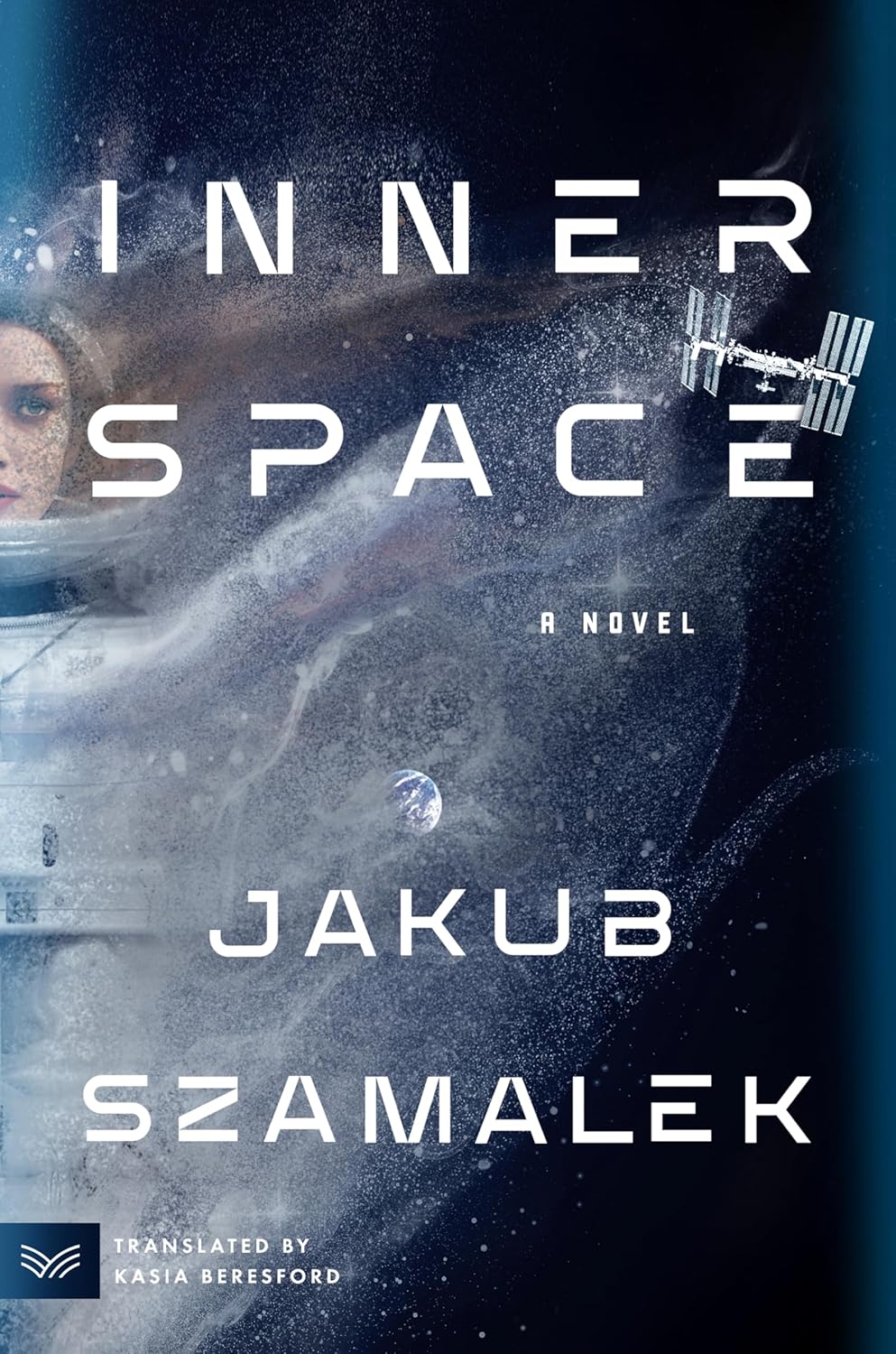
Inner Space publishing date is set to July 15.
*Review written with copy provided by Evolve PR